By Emily Humes
•
July 10, 2026
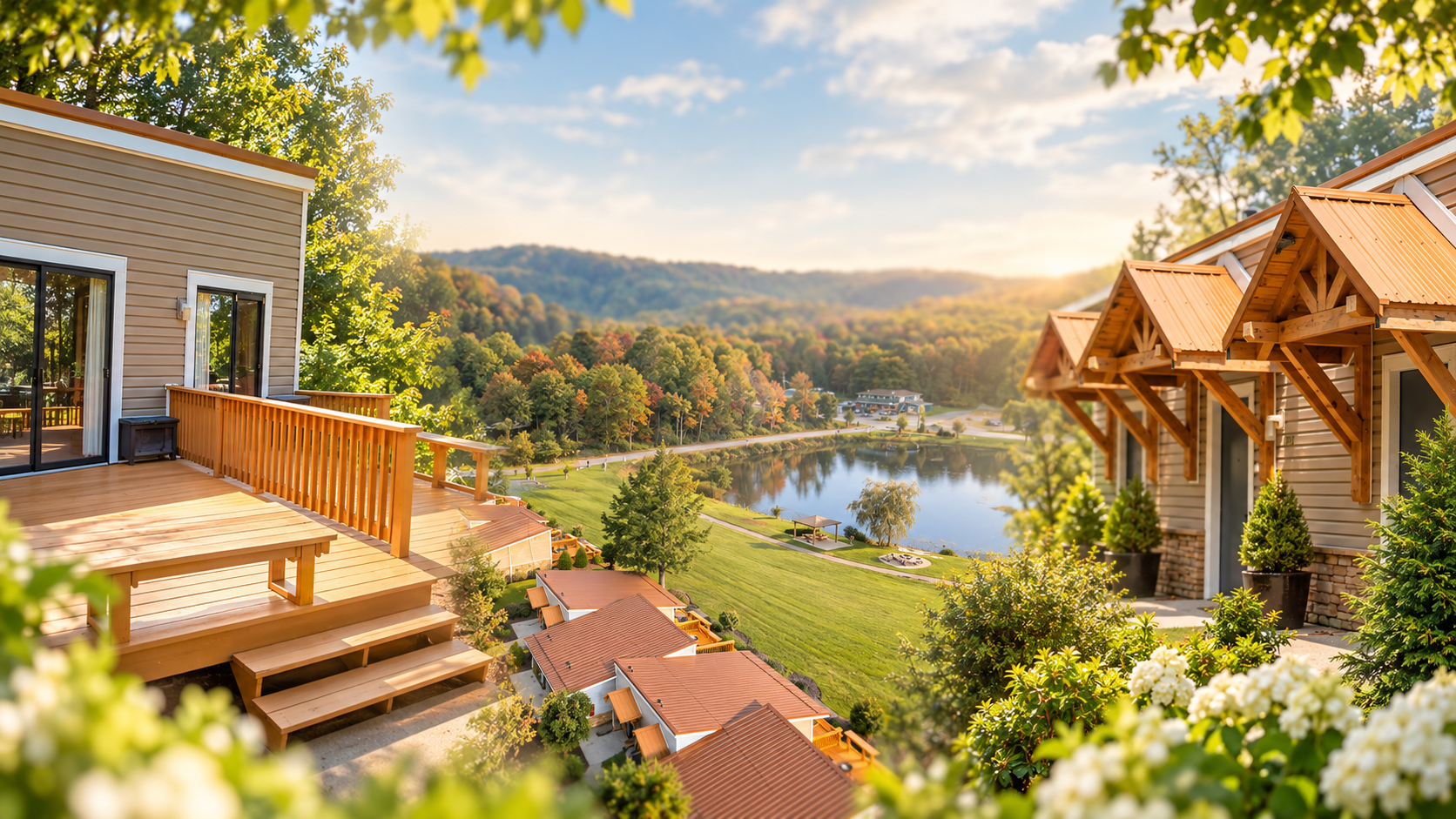
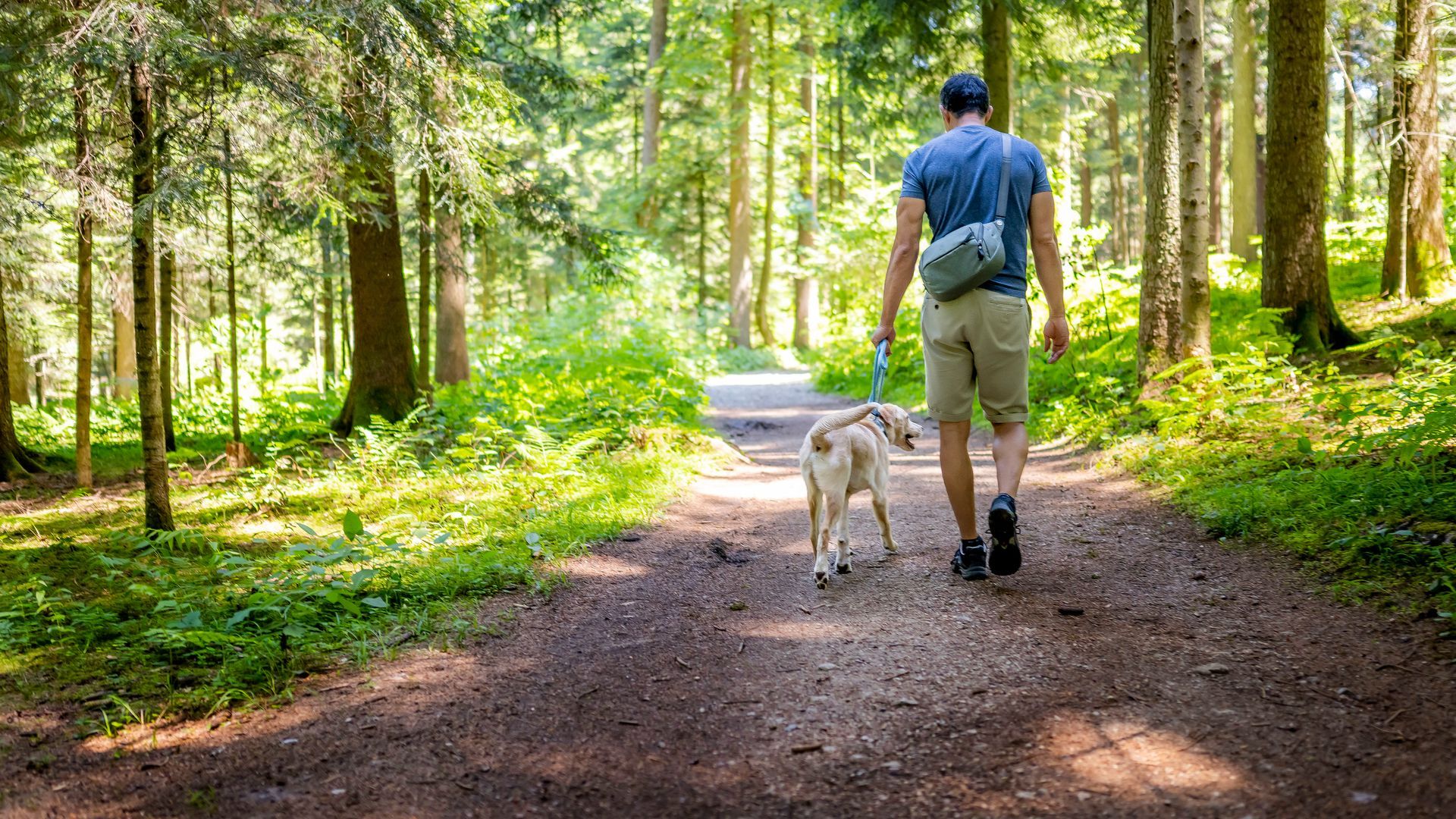
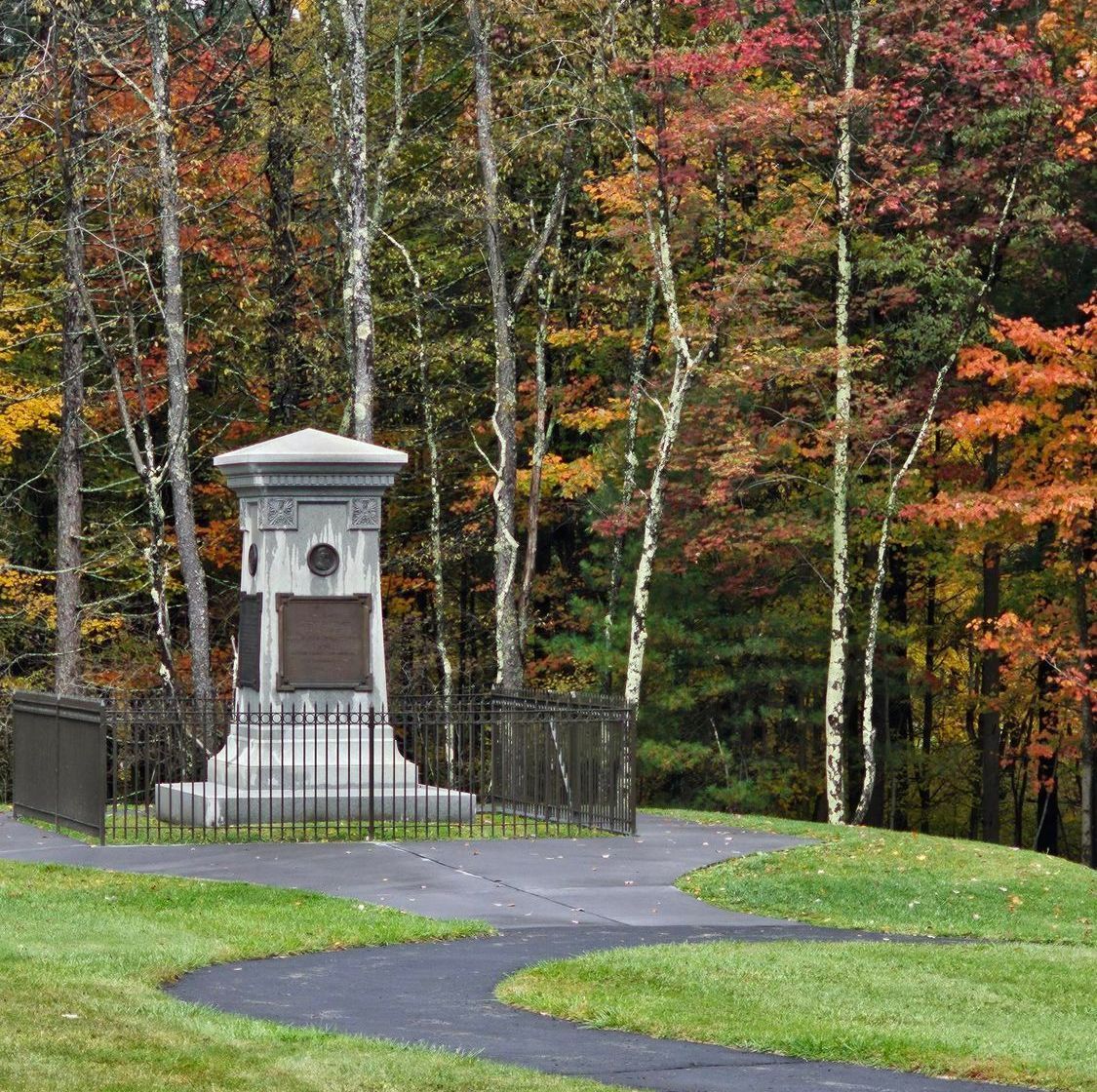
July is one of the best times to plan a Laurel Highlands getaway. The days are long, the mountain scenery is full and green, and the region offers a useful mix of outdoor adventure, historic sites, family activities, and seasonal events. If you are looking for things to do near Ohiopyle in July, you can build a trip around whitewater rafting, Fallingwater, Fort Necessity, the Great Allegheny Passage, local summer events, and the Fayette County Fair. The Lodge at Chalk Hill makes a convenient home base for travelers who want to stay near Ohiopyle and Fallingwater without being directly in the busiest visitor corridor. Located in Chalk Hill near Route 40, the Lodge puts guests close to Ohiopyle, Farmington, Uniontown, Fort Necessity, Kentuck Knob, Laurel Caverns, and other Fayette County attractions. If you are planning a summer getaway near Ohiopyle, [The Lodge at Chalk Hill] puts you close to rafting, Fallingwater, Fort Necessity, and Fayette County attractions. Why July Is a Great Time to Visit the Laurel Highlands July brings together many of the reasons travelers visit the Laurel Highlands in the first place. It is a good month for river trips, waterfall stops, shaded trail rides, scenic drives, architecture tours, and relaxed evenings after a full day outside. For families, couples, cyclists, history travelers, and outdoor enthusiasts, the area offers enough variety to fill a weekend or a longer summer stay. Summer scenery, long days, and easy weekend travel In July, the Laurel Highlands feels especially active. Warm weather makes Ohiopyle whitewater rafting and other river activities popular, while the area’s wooded trails and mountain roads offer shaded options for biking, hiking, and sightseeing. Visitors can spend the morning on the Great Allegheny Passage, tour Fallingwater in the afternoon, and still have time for dinner or a quiet evening near Chalk Hill. The region also works well for travelers who want a getaway that feels outdoorsy without requiring a remote or complicated itinerary. Ohiopyle, Fallingwater, Farmington, Fort Necessity, Uniontown, and Dunbar are all close enough to combine into a multi-day trip. That makes July a strong time for travelers who want summer activities near Uniontown, PA, a scenic weekend near Ohiopyle, or a relaxed trip through Fayette County. A convenient base near Ohiopyle, Fallingwater, and Uniontown A good July trip is easier when you do not have to change lodging every night. From The Lodge at Chalk Hill, guests can reach several major attractions within an easy drive. Ohiopyle is listed as 8.2 miles away, Fallingwater as 13.2 miles away, Fort Necessity Battlefield as 3.6 miles away, Kentuck Knob as 6.5 miles away, and Laurel Caverns as 3.4 miles away. That central location makes it easier to plan a trip that includes outdoor adventure, architecture, history, local dining, and regional events. For travelers seeking places to stay near Ohiopyle or hotels near Fallingwater, Chalk Hill offers a convenient location close to the area’s best-known attractions. July Events Near Ohiopyle and Fayette County July visitors should plan around both scheduled events and seasonal activities. Some events, like the Fayette County Fair, have published 2026 dates. Other regional happenings, including fireworks, Independence Day celebrations, and America250PA-related programs, should be checked closer to travel dates before making firm plans. Fayette County Fair in Dunbar The Fayette County Fair is scheduled for July 30 through August 8, 2026, in Dunbar, Pennsylvania. Held at the Fayette County Fairgrounds, the fair is a familiar summer tradition for families, agricultural-event fans, and travelers looking for evening entertainment in Fayette County. Visitors can expect classic fair attractions, including carnival rides, livestock shows, demolition derbies, fair food, and midway-style activities. Because fair schedules, ticket details, grandstand events, and policies can change, travelers should check the official fair information before finalizing plans. For those attending evening fair events, nearby lodging can make the trip more comfortable. Rather than driving home late after a full day in Dunbar, visitors can stay in the Laurel Highlands area and turn the fair into part of a longer July getaway. The Lodge at Chalk Hill can be a practical option for lodging at the Fayette County Fair, especially for travelers who also want to visit Ohiopyle, Fallingwater, Fort Necessity, or Uniontown during the same trip. Regional fireworks and America250-related events to watch for Travelers visiting in July should also watch for regional fireworks, Independence Day celebrations, and America250PA-related historical programming across Fayette County and the Laurel Highlands. Because local events may be announced or updated closer to summer, it is best to confirm specific dates, times, and locations before traveling. In 2026, America250 will bring added attention to historic sites and communities connected to the nation’s early story. Fayette County’s location near Fort Necessity and the Historic National Road makes the area especially relevant for visitors who want to combine summer travel with history. Visit Fallingwater During Peak Summer Fallingwater is one of the strongest reasons to plan a summer getaway that travelers to the Laurel Highlands will remember. Designed by Frank Lloyd Wright, the house is known for its relationship to the surrounding landscape, its dramatic setting over Bear Run, and its importance in American architecture. For guests staying at The Lodge at Chalk Hill, Fallingwater is close enough to be included as a main feature of a July trip. Visitors can tour the property, enjoy the wooded setting, and pair the visit with nearby stops such as Ohiopyle, Kentuck Knob, or Fort Necessity. Summer scenery and Great Laurel blooms July is a lush time to visit Fallingwater and the surrounding Laurel Highlands. The forest is full, the shaded paths feel inviting, and the site’s natural setting adds to the experience of touring the house. Great Laurel, also known as Rhododendron maximum, typically blooms in late June through mid-July in parts of the region. Bloom timing can vary by weather, elevation, and conditions, so it should be treated as a seasonal possibility rather than a guarantee. Even without peak bloom, July offers green summer scenery that makes the Fallingwater landscape a meaningful part of the visit. Fallingwater’s Summer Forest to Table Dinner Fallingwater’s 2026 Summer Forest to Table Dinner is listed for July 24 and July 25 at 4:30 p.m. This special experience includes a tour of Fallingwater followed by hors d’oeuvres and a four-course meal with wine pairings. The event is limited to a small group of 12 people, and the listed price is $450 per person. Because availability is limited and event details can change, visitors should verify the date, price, reservation process, age requirements, cancellation policy, and ticket availability before making plans. For travelers who attend a special evening event, The Lodge at Chalk Hill offers a nearby place to return to afterward. Tips for booking tours in July July is a popular travel month, so Fallingwater visitors should plan. Booking tours in advance is especially important for weekends, holidays, and special events. Guests should also allow enough time for parking, check-in, and walking through the property. A Fallingwater visit can easily anchor a two or three-day Laurel Highlands itinerary. One day can focus on Fallingwater and Kentuck Knob, another on Ohiopyle State Park, and another on Fort Necessity, Laurel Caverns, Uniontown, or seasonal Fayette County events. Spend a Day in Ohiopyle and on the Youghiogheny River Ohiopyle is one of the most active summer destinations in southwestern Pennsylvania. In July, visitors come for whitewater rafting, waterfalls, hiking, biking, scenic overlooks, and time near the Youghiogheny River. The town is compact enough for a casual day trip but offers enough outdoor recreation to fill a full weekend. From The Lodge at Chalk Hill, Ohiopyle is listed as 8.2 miles away, making it easy to plan a rafting day, a trail ride, or a relaxed visit to the park. Lower Yough whitewater rafting Lower Yough rafting is one of the signature summer activities near Ohiopyle. The Lower Youghiogheny River is known for whitewater adventure, and July is a popular time for guided trips. The Pennsylvania DCNR notes that the Youghiogheny River at Ohiopyle offers whitewater boating for all experience levels, but visitors should choose their trip carefully and use proper equipment. The Lower Yough includes Class III and IV rapids, so it may not be the right fit for every beginner or every family. First-time rafters should book with a reputable outfitter, follow guide instructions, wear the required safety gear, and choose a trip that matches their comfort level. Guided formats still require guests to pay attention to directions and understand that river conditions can change. Travelers who want a calmer experience may want to look into Middle Yough options through local outfitters before booking. As with any river activity, check current conditions and choose the trip that fits your group. Natural waterslides at Meadow Run The Meadow Run Natural Waterslides are another memorable stop in Ohiopyle. These smooth sandstone channels were shaped by flowing water and can be a fun stop for adventurous visitors when conditions are appropriate. This is a natural feature, not a controlled water park. Water levels, current speed, and slipperiness can vary depending on recent rainfall and conditions. Visitors should wear sturdy water shoes, supervise children closely, use caution on wet rock, and avoid entering the water if conditions seem unsafe. For families, the waterslides can be part of a broader Ohiopyle day that also includes waterfalls, picnic areas, short walks, and scenic views. Waterfall views, hiking, and family-friendly stops Ohiopyle offers more than rafting. Visitors can enjoy waterfall views, hiking trails, picnic spots, river overlooks, and easy access to the Great Allegheny Passage. Families who are not rafting can still spend a full day exploring the park, stopping in town, and enjoying the summer scenery. For a simple itinerary, start with a morning walk or bike ride, visit Ohiopyle Falls, have lunch in town, and spend the afternoon at another park stop. After a full day outside, guests can return to The Lodge at Chalk Hill to relax before the next day’s activities. Bike the Great Allegheny Passage in Ohiopyle The Great Allegheny Passage, often called the GAP Trail, is one of the best options for visitors who want an active day near Ohiopyle without getting on the river. The trail offers scenic riding, river views, and access to some of the area’s most recognizable bridge views. For travelers looking for things to do near Ohiopyle in July, a GAP ride can be a good choice for couples, families with older kids, casual cyclists, and visitors who want a slower-paced outdoor activity. Scenic summer rides near town Ohiopyle is a convenient place to access the GAP Trail. In July, cyclists can enjoy shaded stretches, views of the Youghiogheny River, and easy stops in town. A ride can be as short or as long as your group wants, making it flexible for different schedules and experience levels. Guests staying at The Lodge can build a day around a morning ride, then spend the afternoon visiting waterfalls, relaxing near the river, or returning to Chalk Hill before dinner. Ohiopyle Low Bridge and High Bridge views The Ohiopyle Low Bridge and Ohiopyle High Bridge are two useful photo stops along the GAP near town. The Low Bridge offers views of Ohiopyle, Ohiopyle Falls, and Ferncliff Peninsula. The High Bridge is 663 feet long and rises 115 feet above the Youghiogheny River. The High Bridge is also a popular place to watch rafters below, including those running sections of Class III and IV whitewater. For visitors who want a scenic experience without rafting themselves, this can be a memorable way to take in the river from above. Explore Fort Necessity and America250 History A July getaway near Ohiopyle does not have to be about outdoor recreation alone. The area also has strong historical connections, especially around Fort Necessity, the Historic National Road, and America250 commemorations in 2026. Fort Necessity National Battlefield is listed as 3.6 miles from The Lodge at Chalk Hill, making it one of the closest major attractions for guests staying in Chalk Hill. George Washington’s early military history Fort Necessity National Battlefield preserves the site of the 1754 battle that marked the opening action of the French and Indian War. The site is closely connected with George Washington’s early military experience and the broader story of British, French, and American Indian conflict in North America. For visitors interested in early American history, Fort Necessity offers a meaningful stop. It can also pair well with a Route 40 drive, a visit to the Mount Washington Tavern when available, or a broader heritage-focused day in Fayette County. How to connect Fort Necessity with a July heritage trip In 2026, America250 may make historic sites feel especially timely for travelers. Visitors planning a July trip should watch for America250PA-related programming, National Park Service calendar updates, and regional heritage events across Fayette County and the Laurel Highlands. Because event details can change, confirm current Fort Necessity hours, programs, and special events before traveling. For a balanced day, visitors can tour Fort Necessity in the morning, visit Laurel Caverns or Kentuck Knob in the afternoon, and return to The Lodge at Chalk Hill for a quieter evening near Route 40. Where to Stay for a July Getaway Near Ohiopyle Choosing the right lodging can shape the entire trip. July weekends can be busy, especially around rafting season, Fallingwater tours, local events, and the Fayette County Fair. Staying in a convenient location helps travelers avoid unnecessary backtracking and makes it easier to enjoy multiple attractions. The Lodge at Chalk Hill is well-positioned for visitors seeking places to stay near Ohiopyle, hotels near Fallingwater, or lodging near Fort Necessity and Uniontown. Why The Lodge at Chalk Hill makes a convenient home base The Lodge at Chalk Hill is located along the Historic National Road, Route 40, in the Laurel Highlands. Its setting gives travelers access to Ohiopyle adventure, Fallingwater tours, Fort Necessity history, Kentuck Knob, Laurel Caverns, wineries, distilleries, and Uniontown-area conveniences. The property is described as relaxing lakeside lodging in the mountains, with 60 rooms, lake and woods views, free Wi-Fi, wheelchair accessibility, and bike rentals. For travelers who want access to nature without staying directly in the busiest Ohiopyle corridor, Chalk Hill can be a practical midpoint. Nearby attractions within an easy drive Several nearby attractions within a short drive: Ohiopyle is 8.2 miles away, making rafting, waterfalls, hiking, and the GAP Trail easy to reach. Fort Necessity Battlefield is 3.6 miles away, which is ideal for history travelers. Kentuck Knob is 6.5 miles away and offers another Frank Lloyd Wright destination near Fallingwater. Fallingwater is 13.2 miles away, making it close enough for a day trip or a special event. Laurel Caverns is 3.4 miles away, adding another family-friendly or rainy-day option. This location works well for a two or three-day trip. Spend one day at Fallingwater and Kentuck Knob, one day in Ohiopyle, and one day exploring Fort Necessity, Laurel Caverns, Fayette County events, or Uniontown-area stops. Plan for Busy July Weekends July is a busy travel month, so planning matters. Book lodging early for weekends, rafting trips, Fallingwater tours, special events, and Fayette County Fair travel dates. If your trip includes the fair, confirm the daily schedule before choosing your dates. If your trip includes Fallingwater’s Forest to Table Dinner, confirm availability and reservation requirements before building the rest of the itinerary. Travelers should also keep weather and outdoor conditions in mind. River levels, trail conditions, and natural water features can change after storms. Build flexibility into the schedule so your group can adjust without losing the overall trip experience. Start Planning Your July Laurel Highlands Trip A July getaway near Ohiopyle can be as active or as relaxed as you want. You can raft the Lower Yough, bike the Great Allegheny Passage, visit Fallingwater, explore Fort Necessity, attend the Fayette County Fair, or spend a quiet evening after a full day in the Laurel Highlands. For an easy three-day plan, choose one day for Fallingwater and nearby architecture, one day for Ohiopyle and the Youghiogheny River, and one day for Fort Necessity, Laurel Caverns, Uniontown, or seasonal Fayette County events. With The Lodge at Chalk Hill as your base, you can stay close to the region’s best-known attractions while still having a peaceful place to return to at the end of the day. Ready to plan your July Laurel Highlands getaway? Book your stay at The Lodge at Chalk Hill and enjoy a convenient home base near Ohiopyle, Fallingwater, Fort Necessity, and Uniontown. FAQ What are the best things to do near Ohiopyle in July? July is a great time for whitewater rafting, biking the Great Allegheny Passage, visiting Fallingwater, exploring Fort Necessity, enjoying Ohiopyle State Park, and attending regional events like the Fayette County Fair. When is the Fayette County Fair in 2026? The Fayette County Fair is scheduled for July 30 through August 8, 2026, in Dunbar, Pennsylvania. Visitors should check the official fair website before traveling for ticket details, daily schedules, and event updates. Is July a good time to visit Fallingwater? Yes. July offers lush summer scenery around Fallingwater, and special events may be available on select dates. Visitors should book tours in advance, as summer is a popular travel season. How far is The Lodge at Chalk Hill from Fallingwater and Ohiopyle? The Lodge at Chalk Hill lists Fallingwater at 13.2 miles and Ohiopyle at 8.2 miles, making it a convenient base for visiting both attractions. Is Lower Yough rafting good for beginners? Lower Yough rafting is a major Ohiopyle adventure, but it includes Class III and IV rapids and may not be right for every beginner. First-time rafters should book with a reputable outfitter, follow guide instructions, wear proper equipment, and choose a trip that matches their comfort level. Are there family-friendly things to do in Ohiopyle in July? Yes. Families can explore waterfalls, picnic areas, scenic overlooks, the GAP Trail, and Meadow Run Natural Waterslides. However, natural water features require caution because conditions can change with rainfall and water levels. Are there America250 events near Fort Necessity in 2026? Fayette County is participating in America250PA commemorations, and Fort Necessity is an important nearby historic site. Exact July event dates and details should be verified through America250PA, Fayette County tourism resources, and the National Park Service calendar before publication.