
The 3 Most Important Things for a Bride to Plan for Her Wedding
After getting engaged, it can be tempting to immediately start choosing dresses, flowers, colors, centerpieces, and other visual details. Those parts of wedding planning are important, but they are usually easier to manage after a few larger decisions have been made.
For most couples, planning becomes more manageable when they begin with three priorities: the venue and date, the guest list and budget, and the vendor team and wedding-day timeline. These decisions create the foundation for the celebration and help guide nearly every choice that follows.
Couples planning a wedding in the Laurel Highlands can begin by touring The Venue At Chalk Hill to see how its setting, indoor and outdoor spaces, and onsite lodging could support their plans.
1. The Venue and Date
For most couples, selecting a venue and wedding date is the smartest place to begin. The venue affects nearly every other part of the planning process, including availability, guest capacity, catering, photography, parking, lodging, ceremony options, reception flow, and weather backup plans.
Many brides begin collecting decor ideas before they know where the wedding will take place. However, floral arrangements, table layouts, colors, signage, and other details often depend on the venue itself.
For example, a lake or mountain setting may influence photography and decor choices. An outdoor ceremony may require a clear indoor backup plan. The size and layout of the reception space will affect the number of tables needed, how guests move through the room, and where entertainment or catering stations can be placed.
Choosing a venue with both indoor and outdoor options can give couples more flexibility. They can plan an outdoor ceremony, knowing there is an indoor space available if the weather changes.
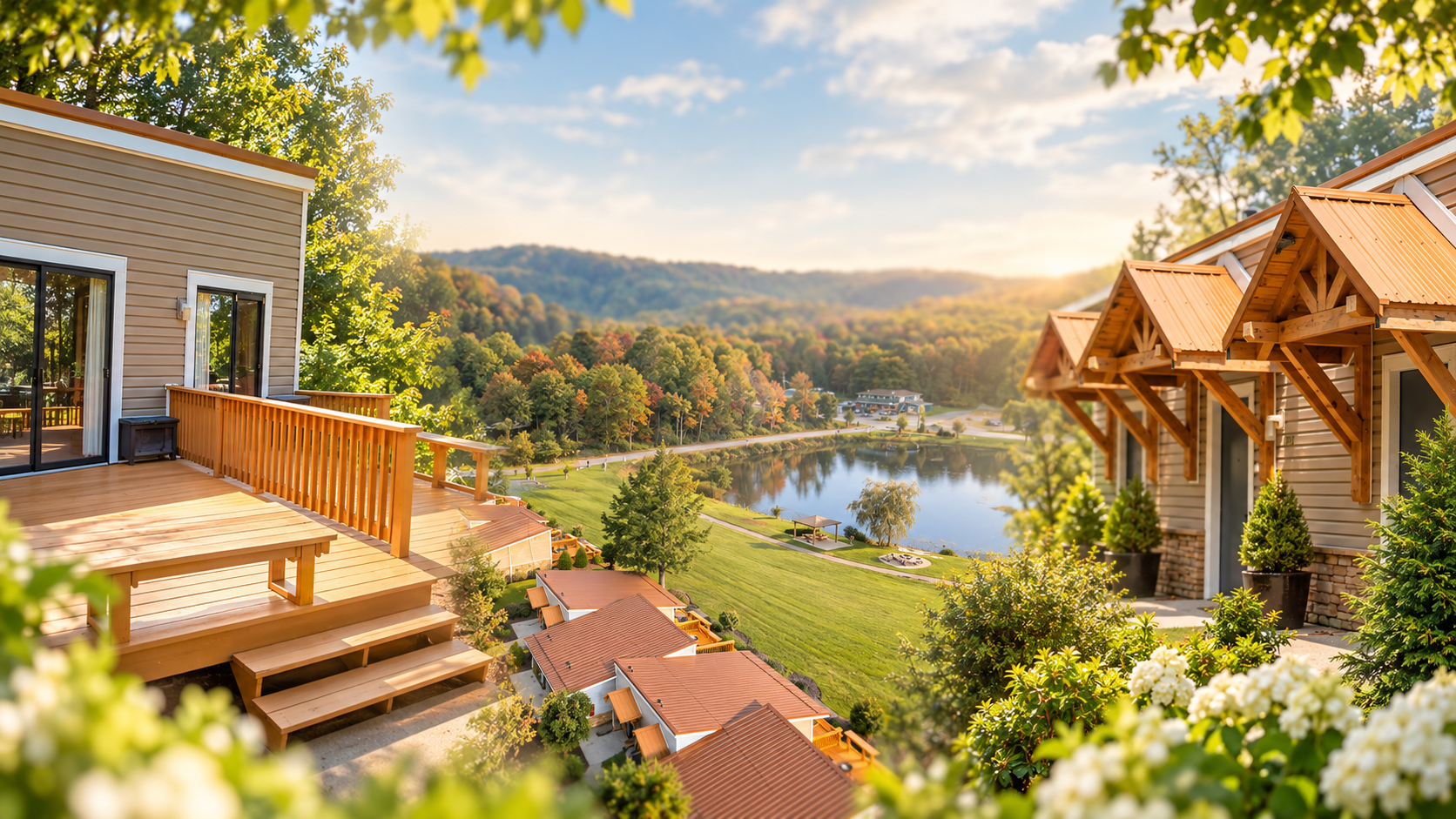
The Venue At Chalk Hill offers indoor and outdoor wedding options in the Laurel Highlands. Couples can consider Lake Lenore views, a spacious deck, an indoor space with a fireplace, and scenic surroundings when deciding how they want their ceremony, reception, and photographs to look.
Onsite lodging can also influence the wedding plan. Keeping accommodations close to the venue may simplify arrival times, transportation, getting-ready schedules, and end-of-night logistics for guests.
Once the venue and date are confirmed, couples can begin making other decisions with a clearer understanding of the space, schedule, and available options.
2. The Guest List and Budget
The guest list and budget should be planned together because the number of guests affects many wedding expenses.
A wedding for 60 guests requires a different approach than a wedding for 180 guests. More guests generally mean additional food, drinks, tables, chairs, invitations, favors, rentals, and staffing. Transportation and lodging needs may also increase.
Before requesting detailed prices from venues and vendors, couples should have a general idea of how many people they plan to invite and how much they are comfortable spending.
Start With Your Must-Invite List
A practical first step is creating a list of the people who must be included. Couples can then organize additional guests into categories such as:
- Immediate family
- Closest friends
- Extended family
- Coworkers
- Family friends
- Plus-ones
This does not need to be a rigid system. It is simply a way to understand the size of the wedding and make thoughtful decisions without trying to finalize every invitation immediately.
The guest count should also be realistic for the venue, catering plan, and overall budget. Knowing the approximate number early makes it easier to compare spaces and services.
Decide What Matters Most Before Comparing Prices
A wedding budget is not only a spending limit. It is also a reflection of the couple’s priorities.
One couple may place more importance on photography and a scenic setting. Another may prefer to direct more of the budget toward food, music, or creating a comfortable guest experience. Some couples may want a smaller wedding with selected upgrades, while others may prioritize inviting a larger group.
Before comparing prices, couples can identify the three aspects of the wedding that matter most to them. Priorities may include:
- A scenic ceremony setting
- Convenient guest lodging
- Food and bar service
- Photography
- Live music or a DJ
- Indoor and outdoor flexibility
- A relaxed wedding weekend
A venue that offers scenery, event spaces, and lodging in one location may help address several priorities at the same time. This can make it easier to organize the budget and understand which additional services will be needed.
3. The Vendor Team and Wedding-Day Timeline
After the venue, date, approximate guest count, and budget are established, couples can begin securing vendors and developing the wedding-day timeline.
Common wedding vendors include:
- Photographer
- Caterer
- Florist
- DJ or band
- Officiant
- Hair and makeup professionals
- Transportation provider, if needed
Some vendors can only serve one wedding per day. Photographers, DJs, bands, officiants, and certain hair and makeup teams may have limited availability, particularly during popular wedding seasons. These vendors should usually be contacted soon after the wedding date is confirmed.
Build a Timeline Around the Venue
A wedding timeline connects the venue and vendors so that everyone understands how the day will
unfold.
The schedule may include:
- Getting ready
- First-look photographs
- Wedding party and family portraits
- Ceremony
- Cocktail hour
- Dinner
- Speeches
- Dancing
- Send-off
Vendors do not work independently of one another. The photographer needs to know when the ceremony begins and how much time is available for portraits. The caterer needs the dinner schedule. The DJ or band needs to know when introductions, speeches, and dancing will take place.
Hair and makeup services must also be completed early enough for photographs and transportation to the ceremony.
The venue plays an important role in this timeline. Couples should consider the distances between the getting-ready areas, the ceremony location, the reception space, the photo locations, parking, and lodging.
At The Venue at Chalk Hill, onsite lodging may reduce travel time for couples and guests. Indoor and outdoor options may also provide flexibility when weather affects the original ceremony or photography plan.
The goal of a timeline is not to schedule every minute. It is to give the couple, venue, and vendors a shared plan that keeps the day moving without making the wedding feel rushed.
Why These Three Decisions Should Come Before the Details
Wedding dresses, colors, flowers, signage, favors, and decor all contribute to the celebration. However, those choices become easier after the couple knows:
- Where and when the wedding will take place
- How many guests do they expect
- What the budget allows
- Which vendors will be involved
- How the wedding day will flow
Before selecting centerpieces, couples should know how many tables they may need and what the reception space looks like. Before choosing ceremony decorations, they should know whether the ceremony will be indoors or outdoors. Before creating a photography list, they should understand the venue’s available settings and timeline.
Once the three main planning priorities are in place, the smaller creative decisions can feel more enjoyable and less overwhelming.
Planning a Wedding at The Venue At Chalk Hill
The Venue At Chalk Hill is an option for couples who want a Laurel Highlands setting with practical wedding-day flexibility.
Its indoor and outdoor spaces give couples options for ceremonies, receptions, photographs, dining, and dancing. Lake Lenore, the deck, and the surrounding Laurel Highlands views can help shape the setting and photography plan.
The indoor space provides an alternative when weather affects outdoor plans, while the fireplace contributes to the atmosphere of indoor celebrations. Onsite lodging can also help keep guests close and may simplify some transportation and scheduling needs.
When touring the venue, couples can ask how the ceremony and reception spaces work together, where guests typically arrive, how indoor backup plans are handled, and how lodging may fit into the wedding weekend.
Frequently Asked Questions
What should a bride plan first for her wedding?
The venue and date are usually the best places to start. They affect the guest count, budget, vendor availability, ceremony location, reception flow, lodging, and overall wedding style.
Why is the wedding venue one of the first decisions?
The venue determines available dates, space, layout, photo opportunities, parking, weather backup options, and many vendor logistics. It also gives couples a clearer setting for choosing decor and other details.
How does the guest list affect the wedding budget?
More guests generally increase costs for food, drinks, seating, invitations, favors, rentals, staffing, and transportation. Creating an approximate guest count early helps couples compare venues and vendors more accurately.
When should a bride start booking wedding vendors?
Couples can begin booking vendors after confirming the venue, date, approximate guest count, and budget. Vendors with limited availability, such as photographers, DJs, bands, officiants, and hair and makeup teams, should often be prioritized.
What makes The Venue At Chalk Hill helpful for wedding planning?
The venue offers indoor and outdoor options, Laurel Highlands surroundings, Lake Lenore views, flexible event spaces, and onsite lodging. These features can help couples plan their ceremony, reception, photography, guest accommodations, and weather backup options.
Start With the Decisions That Shape the Day
Brides do not need to plan every detail at once. Beginning with the venue, date, guest list, and budget, the vendor team and timeline provide a clear structure for the rest of the process.
Once those decisions are made, couples can choose flowers, attire, decor, music, and other details with a better understanding of how everything will work together.
Ready to start planning your Laurel Highlands wedding? Schedule a tour of The Venue At Chalk Hill to see how the setting, indoor and outdoor spaces, and onsite lodging could help bring your wedding plans together.

Author: Emily Humes
As the new owner of the Lodge at Chalk Hill, Emily has been working tirelessly with the staff and contractors to renovate the property and put a wealth of knowledge and and professionalism into practice for an improve guest experience.

Stay Near Timber Rock Amphitheater for Jeff Foxworthy, Larry the Cable Guy, Jo Dee Messina, and More